
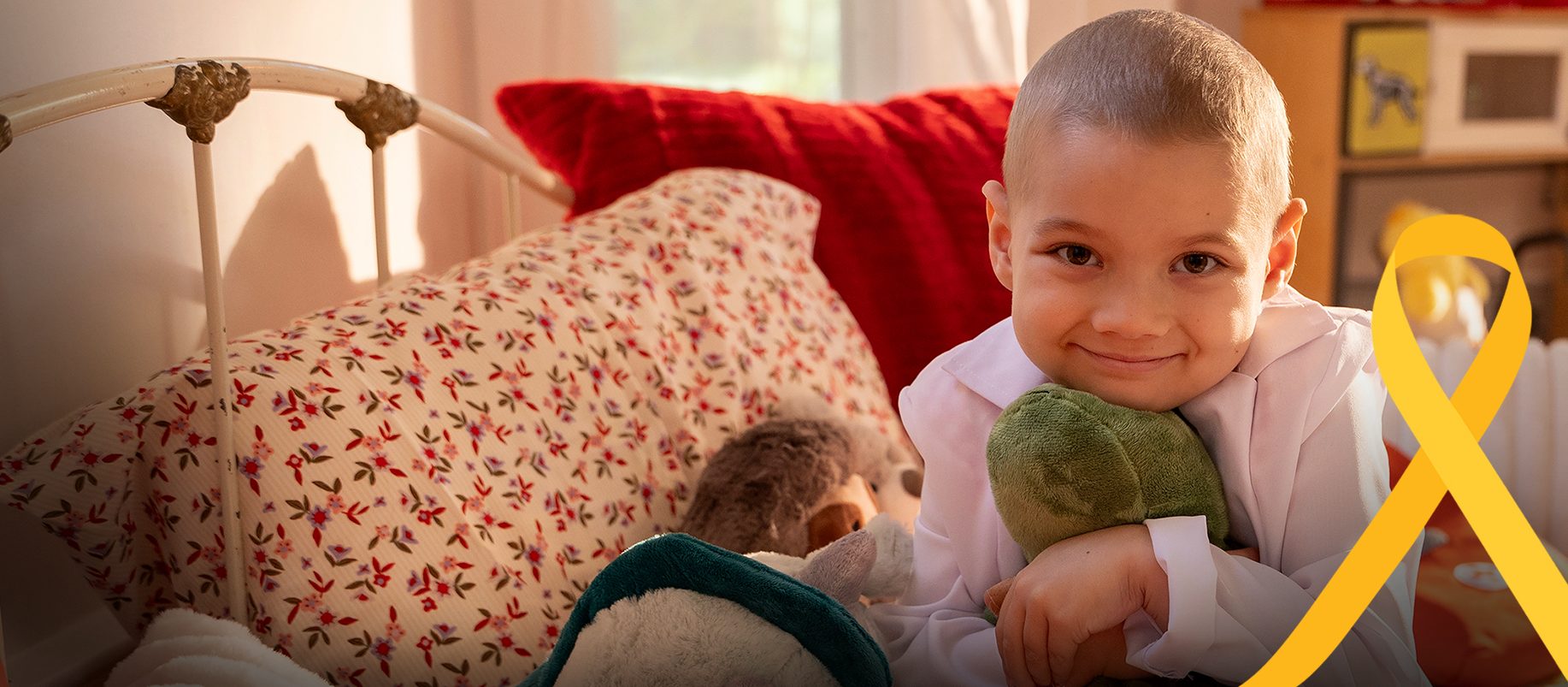
On average, more than 290 children and adolescents in the U.S. are diagnosed with cancer every week.
Treatments developed at St. Jude have helped improve the overall childhood cancer survival rate from 20% to more than 80% in the U.S. since the hospital opened in 1962. St. Jude leads more clinical trials for childhood cancer than any other children's hospital in the U.S.
About 90% of children with cancer live in low- and middle-income countries where they lack access to adequate diagnosis and treatment. Most of these children will die from their disease.
In high-income nations, such as the U.S., survival rates for pediatric cancers exceed 80%. To bridge this gap, St. Jude created St. Jude Global. This initiative is dedicated to improving quality of care and increasing survival rates worldwide for children with cancer and other life-threatening diseases. Working with partners around the world, we have created a global community that works together to address disparities in access to diagnosis and care around the world.
Worldwide, about 400,000 children and adolescents develop cancer each year. Only half of these children’s diseases are diagnosed.
In collaboration with World Health Organization (WHO), and other international partners, St. Jude Children’s Research Hospital established the Global Platform for Access to Childhood Cancer Medicines (Global Platform).
Learn more about the Global Platform for Access to Childhood Cancer Medicines >
-
Emmanuel
Medulloblastoma

St. Jude patient Emmanuel
We were able to focus entirely on him at St. Jude. And you can’t put a price on that.
— St. Jude patient Emmanuel's dad
Emmanuel was almost 2 years old when he was diagnosed with medulloblastoma, the most common malignant brain tumor in children.
Medulloblastoma
Brain cancer
- Medulloblastoma is a type of brain tumor that usually starts near the brain stem in the cerebellum. Located in the lower back part of the brain, the cerebellum helps control movement and balance.
- It is the most common cancerous brain tumor in children.
- Medulloblastoma can grow and spread quickly, so doctors usually treat it with a mix of surgery, radiation therapy and chemotherapy.
St. Jude research on medulloblastoma
St. Jude clinical trials were the first to introduce treatment of medulloblastoma by the tumor’s molecular type.
The use of molecular information continues today in a clinical trial for infants and young children with newly diagnosed medulloblastoma (SJiMB21). Our aim is to improve survival and preserve healthy brain development.
-
Kayla
Acute lymphoblastic leukemia (ALL)

St. Jude patient Kayla
St. Jude is still hope to us. They are still concerned about her even after her treatment.
— St. Jude patient Kayla's mom
Kalya was in the second grade when she was referred to St. Jude and diagnosed with acute lymphoblastic cancer (ALL), a type of blood cancer.
Acute lymphoblastic leukemia (ALL)
Blood cancer
- Acute lymphoblastic leukemia (ALL) is a cancer of the blood and bone marrow.
- ALL is the most common form of childhood cancer.
- Treatment may include chemotherapy, targeted therapy or stem cell (bone marrow) transplant.
St. Jude research on ALL
St. Jude is advancing clinical trials that use risk-based treatments to improve survival rates and reduce side effects for children with ALL, the most common childhood cancer. We are also studying treatments that combine chemotherapy with immunotherapy, including blinatumomab and inotuzumab, to improve outcomes and reduce side effects.
-
Madeline
Ewing sarcoma

St. Jude patient Madeline
Madeline as a person is so resilient. She is so strong.
— St. Jude patient Madeline's mom
Madeline was referred to St. Jude, arriving in March 2024, and diagnosed with Ewing sarcoma, a form of bone cancer.
Ewing sarcoma
Bone cancer
- Ewing sarcoma is a cancerous tumor. It starts in the bone, often the leg, pelvis, ribs, arm, or spine.
- It is the second most common type of bone cancer in children.
- Treatment typically involves a combination of surgery, radiation therapy and chemotherapy.
St. Jude research on Ewing sarcoma
St. Jude clinical trials for Ewing sarcoma are testing new treatments for cancers that have come back or have not responded to treatment. Researchers are studying drug combinations that may better target Ewing sarcoma cells and slow tumor growth. They are also studying a special type of immunotherapy called CAR T-cell therapy.


Spotlight on childhood cancer research and treatment
The mission of St. Jude is to advance cures, and means of prevention, for pediatric catastrophic diseases through research and treatment.

Corresponding author Martine Roussel (right), PhD, St. Jude Department of Tumor Cell Biology, and first author Jake Friske, St. Jude Graduate School of Biomedical Sciences
Enhancer provides a potential target for “undruggable” MYC in pediatric medulloblastoma
Scientists at St. Jude identified a tumor-specific enhancer on extrachromosomal DNA that drives MYC expression, revealing a new therapeutic target in high-risk pediatric medulloblastoma.

Jun J. Yang, PhD, St. Jude Department of Pharmacy and Pharmaceutical Sciences vice chair
AI-driven μPharma platform accurately predicts leukemia drug sensitivity
μPharma, co-developed by Jun J. Yang, PhD, St. Jude Department of Pharmacy and Pharmaceutical Sciences vice chair, delivers accurate, automated pharmacotyping insights within hours with the goal of guiding treatment selection.

Puneet Bagga, PhD, St. Jude Department of Radiology
Leveraging a metabolic vulnerability to overcome chemoresistance in recurrent Ewing Sarcoma
In the search to overcome chemoresistance in relapsed Ewing sarcoma, St. Jude scientists analyzed a patient-derived Ewing sarcoma model. This model allowed them to examine what prompts therapeutic resistance when there is reduced SLFN11 expression.
HELP GIVE THEM TOMORROW
How to support childhood cancer awareness
Help St. Jude raise awareness during Childhood Cancer Awareness Month by participating in our activities and fundraising efforts. When you support St. Jude, you help make cures more possible for kids with cancer.








Donate today to give them tomorrow
At St. Jude, a dollar is more than a donation. It gives hope to make cures and better treatments possible for the 15,000+ children diagnosed with cancer in the U.S. each year.
Families never receive a bill from St. Jude for treatment, travel, housing or food — so they can focus on helping their child live.
*When you make a donation using this information, your donation will be used to provide breakthrough research, treatment and cures. Items listed here are representative of services and supplies that are part of the treatment and care of children at St. Jude. The cost of each item or service is an approximation, and will vary based on actual costs incurred and individual patient needs. Your donation will be used for the general operating needs of St. Jude, where no family ever receives a bill for treatment, travel, housing or food.
Could help St. Jude provide one platelet count test for a St. Jude patient.*
Could help provide one rehabilitation ball for St. Jude patients.*
Could help provide two days of meals to a St. Jude patient.*
Meet more St. Jude patients
Supporting St. Jude is the simplest, most powerful way to turn compassion into hope
for families facing childhood cancer and more tomorrows for kids everywhere.

St. Jude patient Erma
In June 2025, Erma visited her pediatrician for a checkup. She was referred for further testing, and unexpectedly, a screening ultrasound showed she had a mass above her adrenal gland. She was referred to St. Jude, arriving during the week before her 4th birthday.

St. Jude patient Maddox
In January 2025, Maddox, then 8, was diagnosed with T-cell acute lymphoblastic leukemia, or T-ALL, an aggressive form of blood and bone marrow cancer that develops in immature immune cells. Outcomes for children with leukemia have improved dramatically over the past 60 years, but T-ALL remains one of the more challenging forms to treat, particularly if it returns.
Childhood Cancer Awareness Month FAQs

Gold ribbon art by St. Jude cancer survivor Emma
-
September is National Childhood Cancer Awareness Month (CCAM) — a time of year we and other organizations honor children and survivors affected by pediatric cancer in order to raise awareness and continue the research and treatment of the disease. Childhood cancer remains the leading cause of death by disease for children under the age of 14.
-
International Childhood Cancer Day is Feb. 15. This is a separate awareness day from Childhood Cancer Awareness Month.
-
Childhood cancer is the leading cause of death by disease for children under age 14. Awareness helps fund lifesaving research, supports families and brings hope to kids around the world. By sharing their stories and showing your support, you become part of a movement to make cures possible.
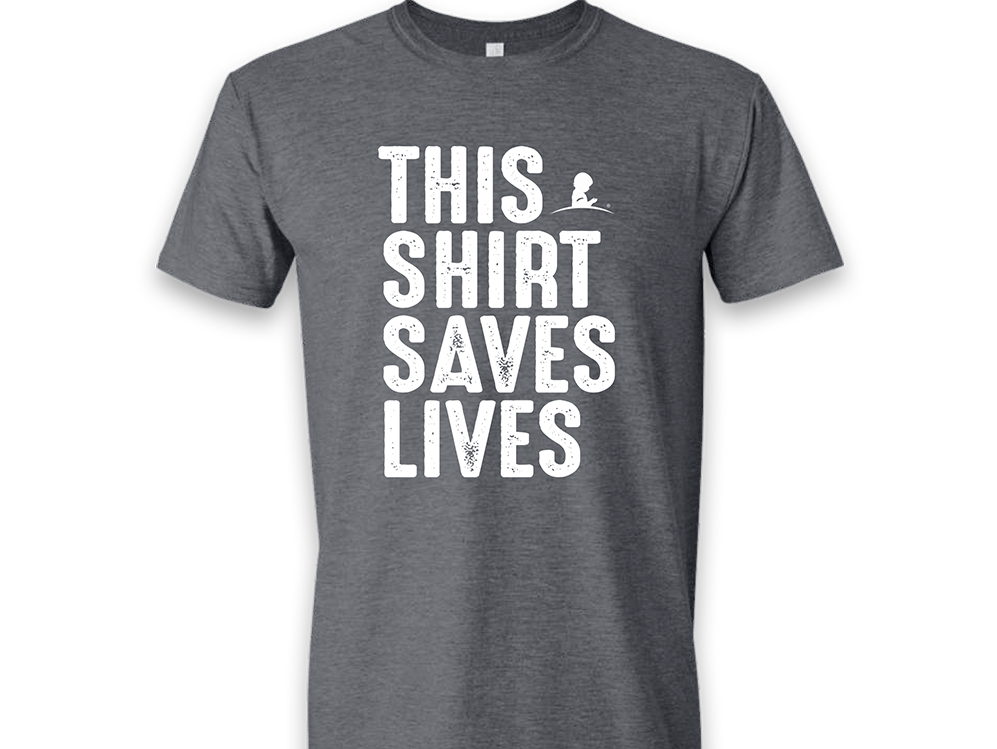
You can find Childhood Cancer Awareness T-shirts and other items that show your support for the kids of St. Jude by shopping for CCAM gold items in our gift shop.
-
The color gold and the gold ribbon are symbols of support for children affected with cancer.
-
You can find Childhood Cancer Awareness T-shirts and other items that show your support for the kids of St. Jude by shopping for CCAM gold items in our gift shop.
-
September is the awareness month for several kinds of cancer in addition to pediatric cancer. September has been Childhood Cancer Awareness Month since 2010. Other cancer observance months held in September include:
- Sickle Cell Awareness Month
- Leukemia and Lymphoma Awareness Month
- Ovarian Cancer Awareness Month
- Prostate Cancer Awareness Month
- Thyroid Cancer Awareness Month
- Uterine Cancer Awareness Month
-
St. Jude treats childhood cancer with care plans made for each child. Doctors, nurses, researchers and support teams work together to develop the best treatments. Patients may be able to join clinical trials that test new treatments.
Families never receive a bill from St. Jude for treatment, travel, housing or food — so they can focus on helping their child live. Learn more about care and treatment at St. Jude >
-
St. Jude conducts research to develop new treatments and improve outcomes for children with cancer. St. Jude is the only National Cancer Institute–designated Comprehensive Cancer Center devoted solely to children and leads clinical trials for leukemia, lymphoma, brain tumors, solid tumors, and other childhood cancers. Explore open clinical trials at St. Jude >
You may be interested in:
-

Sickle Cell Awareness Month
In September, St. Jude raises awareness of sickle cell disease research. Join us this Sickle Cell Awareness Month.
-

Why support St. Jude?
Learn how supporting St. Jude Children's Research Hospital helps pediatric cancer patients worldwide.
-

St. Jude Global
St. Jude Global is striving to create a network of programs and institutions to treat childhood diseases. Learn more about our newest initiatives.
-

Support our kids all year long
Discover how to give to the lifesaving mission of St. Jude without making a monetary donation.